How to Choose the Right Digital Textbook Platform for Your Studies
The digital textbook market has exploded in recent years, with dozens of platforms competing for the attention and wallets of university students. From dedicated academic eBook stores to general-purpose digital marketplaces, the options can be overwhelming for students trying to make an informed decision. Choosing the wrong platform can mean paying too much for poorly formatted textbooks, struggling with incompatible file formats, or discovering that a required title is not available. This comprehensive guide will walk you through the key factors to consider when selecting a digital textbook platform, helping you find the service that best meets your specific academic needs and budget.
Content Selection and Availability
The most important factor in choosing a digital textbook platform is the breadth and depth of its catalog. A platform may have an excellent interface and competitive pricing, but if it does not carry the specific textbooks required for your courses, it is essentially useless. When evaluating a platform’s catalog, look beyond simple title counts and consider how well the collection aligns with your program’s curriculum. The best platforms organize their collections by academic discipline, making it easy to find textbooks for your specific major without navigating through hundreds of unrelated titles.
Pay special attention to how frequently the platform updates its catalog and whether it offers a mechanism for requesting titles that are not currently available. Students in specialized programs may find that smaller platforms have surprisingly comprehensive collections in their particular discipline, even if their overall catalog is smaller than that of larger competitors. A platform that offers a diverse range of subjects, from health sciences to law and justice, is more likely to serve you well throughout your entire academic career, even if you change majors or add a minor.
Pricing Structure and Value
Digital textbook platforms employ a variety of pricing models, and understanding these models is essential for making cost-effective decisions. Some platforms sell individual titles at fixed prices, while others offer subscription-based access that allows you to download a certain number of books per month. Per-title pricing is generally more economical for students who need a small number of core textbooks, while subscription models can offer significant savings for students who need access to a large volume of supplementary materials across multiple courses. Compare the total cost of acquiring all your required texts through each platform rather than focusing solely on the price of individual titles, as this gives a more accurate picture of the true value each service provides.
Look for platforms that offer discounts for purchasing multiple titles, bundle deals that combine core textbooks with supplementary materials, and loyalty programs that reward repeat customers. Some platforms also offer seasonal promotions around the beginning of each semester that can reduce costs by 20 to 40 percent. The most affordable academic eBook platforms manage to combine competitive pricing with high-quality formatting and reliable customer support, delivering genuine value rather than simply cutting prices at the expense of quality.
Digital Formatting and User Experience
The quality of the digital reading experience varies enormously between platforms, and this factor alone can determine whether a digital textbook is a pleasure to use or a constant source of frustration. Key formatting features to look for include a functional table of contents with clickable chapter links, properly rendered mathematical equations and scientific notation, high-resolution images and diagrams, responsive text sizing that works across different screen sizes, and reliable search functionality. Platforms that simply scan physical textbooks and convert them to PDF without proper formatting often produce documents that are difficult to navigate and unpleasant to read, particularly on smaller screens.
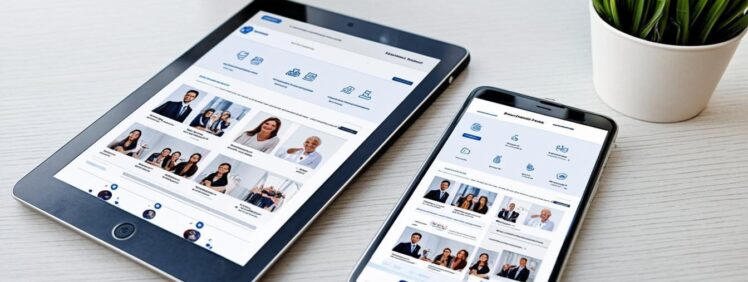
Test the platform’s reading experience before committing to a purchase by downloading a free sample chapter or preview. Pay attention to how quickly pages load, whether the search function produces accurate results, and how the textbook displays on the devices you plan to use most frequently. A platform that provides a smooth, intuitive reading experience across laptop, tablet, and phone screens will serve you better throughout your academic career than one that looks polished in marketing materials but disappoints in daily use.
Device Compatibility and Offline Access
University students study in a variety of locations, from campus libraries and lecture halls to coffee shops, public transit, and their own apartments. A digital textbook platform that requires constant internet connectivity is impractical for students who need to study during commutes, in areas with poor Wi-Fi, or during long flights home. The best platforms offer dedicated mobile applications for both iOS and Android devices, desktop applications for Windows and macOS, and web-based access that works in any modern browser. More importantly, they provide reliable offline access that allows you to download textbooks for reading without an internet connection, with automatic syncing when connectivity is restored.
Conclusion
Choosing the right digital textbook platform requires careful consideration of content availability, pricing, formatting quality, and device compatibility. Take the time to compare multiple platforms before making your first purchase, and do not hesitate to test different services with a single title before committing your entire semester’s budget to one provider. The platform that offers the best combination of catalog depth, competitive pricing, and high-quality digital formatting will become an invaluable academic tool throughout your university career.