
Navigating the Skies: A Deep Dive into “Air Transportation: A Management Perspective (8th Edition)”
The aviation industry is a marvel of modern engineering, logistics, and global connectivity. It’s a complex ecosystem that moves billions of passengers and millions of tons of cargo across the globe annually, fueling economic growth and cultural exchange. But behind the sleek aircraft and bustling airports lies a world of intricate management, high-stakes economics, and constant challenges. To truly understand this dynamic sector, one needs a guide that is both comprehensive and clear.
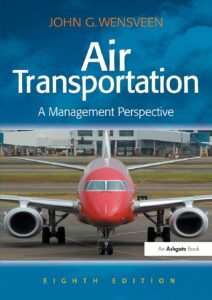
Enter “Air Transportation: A Management Perspective (8th Edition)” by John G. Wensveen. This seminal text has long been considered the bible for students, educators, and professionals seeking to master the multifaceted world of air transportation. It’s not just a book; it’s a complete framework for understanding how the aviation industry operates, strategizes, and evolves.
In this article, we will provide a detailed summary and expert analysis of Wensveen’s authoritative work. We’ll break down its core concepts, from the fundamentals of airline economics to the pressing challenges shaping the future of flight. Whether you’re an aspiring aviation professional, a business strategist, or a student embarking on your first course, this summary will illuminate the key insights that make this book an indispensable resource.
Why “Air Transportation: A Management Perspective (8th Edition)” is a Cornerstone Text
Before we delve into the specifics, it’s worth understanding why this 703-page volume holds such a revered place in aviation literature. Authored by John G. Wensveen, a renowned academic and industry expert, the book distinguishes itself through its holistic approach. It doesn’t just focus on one aspect of the business; it examines the entire aviation value chain, including airlines, airports, manufacturers, and regulatory bodies.
The 8th Edition, published by Routledge in 2015, continues this tradition, offering updated data, contemporary case studies, and analysis of the latest trends impacting the industry. Its strength lies in its ability to present complex topics—like revenue management or regulatory policy—in a manner that is accessible to newcomers while still offering profound insights for seasoned veterans. It is this balance that makes it essential reading for anyone serious about a career in aviation management.
Core Concepts from the Book: A Detailed Summary
Wensveen’s book is structured to build a complete picture of the industry. Let’s explore the key pillars of air transportation management as detailed in its pages.
The Foundation: Airline Economics and Finance
At its heart, an airline is a business, and understanding its economic model is paramount. The book dedicates significant attention to the unique financial landscape of the aviation industry.
- Revenue Streams: Wensveen breaks down how airlines make money. It’s not just about ticket sales. The book explores passenger revenue (business, leisure, first-class), cargo operations, and the increasingly critical world of ancillary revenue—fees for baggage, seat selection, Wi-Fi, and more. This shift from a “all-inclusive” fare model to an “unbundling” strategy is a key theme.
- Cost Structures: Running an airline is extraordinarily expensive. The text meticulously details the cost components, distinguishing between fixed costs (aircraft leases, administrative salaries) and variable costs (fuel, crew wages, landing fees). The volatility of jet fuel prices is highlighted as a primary driver of airline profitability, or lack thereof.
- Yield Management and Pricing: This is where the magic—and the science—happens. The book explains the complex algorithms and strategies airlines use to maximize revenue from every seat. It covers concepts like:
- Dynamic Pricing: How fares change based on demand, time until departure, and competitor pricing.
- Load Factor (LF): The percentage of seats filled on a flight.
- Yield: The average revenue per passenger mile.
- RASK and CASK: Key performance metrics—Revenue Available Seat Kilometer and Cost Available Seat Kilometer—that are the lifeblood of airline financial analysis. Understanding the interplay between these metrics is crucial for strategic decision-making.
The Rulebook: Aviation Regulation and Policy
The aviation industry does not operate in a vacuum. It is one of the most heavily regulated sectors in the world, and for good reason—safety and security are paramount. Wensveen provides a historical and contemporary overview of this regulatory environment.
- The Dawn of Deregulation: A significant portion of the book is dedicated to analyzing the impact of the U.S. Airline Deregulation Act of 1978. This landmark legislation shifted the industry from a government-controlled rate-and-route system to a market-driven one. The author explains how this led to the rise of low-cost carriers (LCCs), new hub-and-spoke models, and increased competition, fundamentally reshaping global air travel.
- Key Regulatory Bodies: The book introduces the key players on the global stage:
- ICAO (International Civil Aviation Organization): A UN agency that sets international standards and practices for aviation safety, security, and efficiency.
- IATA (International Air Transport Association): A trade association for the world’s airlines that focuses on standardizing processes and advocating for their interests.
- National Authorities: Bodies like the FAA (Federal Aviation Administration) in the U.S. and EASA (European Union Aviation Safety Agency) in Europe, which enforce regulations within their jurisdictions.
- Open Skies Agreements: Wensveen discusses the liberalization of international air services through these bilateral and multilateral agreements, which have opened up new markets and fostered global competition.
The Engine Room: Airline Operations Management
An airline’s promise is only as good as its ability to deliver a safe, on-time, and efficient service. The operations section of the book is a masterclass in logistics.
- Flight Operations: This covers the “front line” of the airline: dispatch, flight planning, crew scheduling, and managing the fleet to ensure maximum utilization while adhering to strict safety regulations.
- Ground Operations: The complex choreography that happens on the tarmac. From baggage handling and aircraft refueling to catering and passenger boarding, the book details the processes that make up a quick and efficient aircraft turnaround—a critical factor in an airline’s on-time performance and profitability.
- Maintenance, Repair, and Overhaul (MRO): Safety is non-negotiable. This section explains the rigorous, legally mandated maintenance schedules that keep aircraft airworthy, highlighting the significant investment and expertise required in this area.
- The Power of Technology: The 8th edition emphasizes the role of technology in streamlining operations, from advanced booking systems and self-service kiosks to sophisticated software for optimizing crew rosters and flight paths.
Connecting with Customers: Airline Marketing and Service
In a competitive market, how an airline brands itself and treats its customers can be the ultimate differentiator.
- Market Segmentation: The book explains how airlines divide the market into segments (e.g., business vs. leisure travelers) and tailor their products, pricing, and marketing messages to each group. This analysis covers the distinct strategies of full-service network carriers (FSNCs), low-cost carriers (LCCs), and regional airlines.
- Branding and Positioning: Wensveen explores how airlines cultivate a brand identity. Is the airline positioned as a premium luxury experience, a no-frills utility, or something in between? This brand promise informs everything from the livery on the plane to the design of the website.
- Distribution Channels: The way we buy flights has been revolutionized. The book traces the evolution from travel agents and Global Distribution Systems (GDS) to the rise of online travel agencies (OTAs) and the increasing importance of direct bookings via an airline’s own website.
- The Customer Experience: Recognizing that price is not the only factor, the text delves into the importance of customer service, loyalty programs (frequent flyer miles), and the overall passenger experience as tools for retaining valuable customers.
Navigating Turbulence: Contemporary Industry Challenges
No analysis of air transportation would be complete without looking at the headwinds the industry faces. Wensveen dedicates a section to the persistent and emerging challenges that test the resilience of airlines and the broader aviation ecosystem.
- Economic Volatility: The industry is cyclical and highly sensitive to global economic downturns, geopolitical events, and, most notably, the extreme volatility of fuel prices.
- Environmental Sustainability: This is an increasingly critical challenge. The book discusses the pressure on the industry to reduce its carbon footprint, the development of more fuel-efficient aircraft (like the Boeing 787 and Airbus A350), and the exploration of sustainable aviation fuels (SAFs).
- Infrastructure and Congestion: Many of the world’s airports are operating at or near capacity, leading to delays, congestion, and a need for massive investment in infrastructure.
- Security Threats: In a post-9/11 world, security remains a top priority. The book covers the ongoing balance between ensuring robust security measures and maintaining a smooth passenger experience.
- The Human Factor: From pilot shortages to the need for skilled technicians and air traffic controllers, attracting, training, and retaining talent is a long-term challenge for the entire industry.
Key Takeaways from “Air Transportation: A Management Perspective (8th Edition)”
After a deep dive into the text, several core themes emerge that define the modern aviation industry.
- A Business of Extremes: Aviation is a capital-intensive, high-risk, and low-margin industry. Success requires an unwavering focus on both cost control and revenue maximization.
- Deregulation’s Enduring Legacy: The shift to a market-driven system has permanently altered the competitive landscape, fostering innovation but also increasing financial instability.
- Operational Excellence is Non-Negotiable: A slick marketing campaign means nothing if flights are delayed, bags are lost, or safety is compromised. Efficient, reliable operations are the foundation of any successful airline.
- The Customer is in Charge: With the rise of the internet and social media, customers have more power and choice than ever. Airlines must adapt by offering transparency, personalized service, and a seamless digital experience.
- Adaptation is the Key to Survival: The industry is constantly being reshaped by technology, regulation, and global events. The most successful players are those who can anticipate change and pivot their strategies effectively.
Who Should Read This Essential Aviation Guide?
“Air Transportation: A Management Perspective (8th Edition)” is not just for one niche audience. Its value spans the entire professional spectrum.
- For the Aviation Student: It provides the foundational knowledge required to excel in academic programs and launch a successful career.
- For the Aspiring Airline Manager: It offers a 360-degree view of the business, preparing you for leadership roles in marketing, operations, finance, or strategy.
- For the Seasoned Professional: It serves as an invaluable reference and a source of fresh perspectives, helping you connect the dots between your specialization and the broader industry context.
- For the Business Strategist or Investor: It demystifies the aviation business model, providing the insights needed to analyze airline performance, assess market opportunities, and understand the industry’s future trajectory.
Frequently Asked Questions (FAQs)
Q1: Is this book suitable for beginners with no prior aviation background?
A: Absolutely. John Wensveen is known for his clear, accessible writing style. The book starts with the fundamentals and builds up to more complex topics, making it ideal for anyone new to the field.
Q2: How does the 8th edition differ from previous ones?
A: The 8th edition includes updated statistics, case studies on more recent industry events (like the consolidation of major carriers), and expanded coverage of topics such as ancillary revenue, the impact of social media, and the growing focus on environmental sustainability.
Q3: Does the book cover cargo operations in detail?
A: Yes, while the primary focus is on passenger airlines, the book dedicates significant sections to the air cargo industry, explaining its unique operational and economic characteristics and its vital role in global supply chains.
Q4: Is this book relevant for airport management, not just airlines?
A: Definitely. A successful airport and its airline partners are inextricably linked. The book provides crucial context on how airports operate, generate revenue, and interact with airlines, making it highly relevant for aspiring airport managers.
Q5: Where can I purchase “Air Transportation: A Management Perspective (8th Edition)“?
A: You can purchase the eBook directly from our trusted online store. Owning a copy will give you unlimited access to this wealth of aviation knowledge.
Conclusion: Your Flight Plan to Aviation Mastery
“Air Transportation: A Management Perspective (8th Edition)” by John G. Wensveen is more than just a textbook; it’s a strategic toolkit for understanding and succeeding in one of the world’s most dynamic and vital industries. It masterfully deconstructs the complexity of airline economics, the rigor of regulation, the precision of operations, and the art of marketing into digestible, actionable insights.
For anyone looking to build a career, make a strategic investment, or simply gain a deeper appreciation for the incredible system that connects our world, this book is an essential resource. It provides the knowledge and context needed not just to understand the current state of aviation, but to anticipate and shape its future. The sky is not the limit; it’s the beginning.
Ready to master the complexities of the aviation industry? Get your copy of “Air Transportation: A Management Perspective (8th Edition)” today and gain the competitive edge you need.
Click Here to Purchase Your eBook Now
Internal & External Linking Suggestions:
Internal Linking Ideas:
- Link the phrase “Yield Management” to an internal blog post titled “A Beginner’s Guide to Airline Yield Management.”
- Link “U.S. Airline Deregulation Act of 1978” to an article on your site about the “History of Low-Cost Carriers.”
- Link “RASK and CASK” to a post explaining “Key Financial Metrics for Analyzing Airline Performance.”
- Link “aviation careers” to a career guide or list of job openings in the industry.
External Linking Ideas:
- Link to the official websites of ICAO, IATA, the FAA, and EASA when they are first mentioned to provide readers with authoritative sources.
- Link to the Routledge publisher page for the book to add credibility.
- Link to a reputable aviation news source like FlightGlobal or Air Transport World (ATW) when discussing contemporary challenges, to show the topics are still relevant.